Let Experts Help You Save Money And Energy This Winter
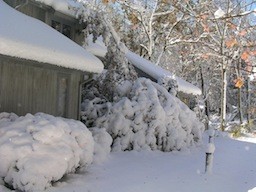
We have seen our fair share of snow this winter, and with the very low temperatures and snowfalls, your home can truly suffer! There are several important yet simple steps you can take to protect your house and your wallet. With these helpful tips, you can warm up your house, save energy and save your family money.
1. Keep an eye out for insulation gaps and holes. Go through your house and look for any areas that are more likely to have air leaks. With expanding foam that you can get at any hardware store, seal the area between water pipes, air vents, and faucets. This will keep cold air from getting inside. Make sure that you wear gloves, because the foam is very sticky! Also, be careful to avoid sealing near gas flues, as this could be a serious fire hazard. This simple step can keep your house warmer, and save you money on your heating bill!
2. Check your heating system. Heating systems account for 30% of the average home energy costs. This number can quickly rise if your heating system is not working to the best of its ability. To cut the costs as much as possible, make sure you replace the filter to your furnace every few months. Purchase a high-quality one to improve air quality as well. Consider getting a tune up on your furnace and heating system in order to ensure it will be working at its best for the cold winter months. This may seem like an unnecessary cost at first, but getting a tune up of your furnace can save you a great deal of money down the road if it breaks down during the winter!
3. Consider getting an energy audit. You can hire a certified energy rater to come to your home and test for energy losses and possible safety issues. You will receive a detailed report stating the issues found in your home and measures you can take to fix and prevent them. Remember that air leaks can account for 25-30% of your home energy costs, and finding the problem areas can help you greatly reduce your bills.
4. Make sure your fireplace is ready. Clean out your fireplace and get all of your firewood in a dry location. You may have to call a chimney sweep to come remove the soot from the inner walls and cap the top of the chimney to keep out rodents and birds.
5. Install carbon monoxide and smoke detectors. A crucial safety step in your home is to install working carbon monoxide detectors. In these cold winter months, the threat of carbon monoxide is high. Install these detectors near your water heater or furnace, and test them to make sure they work properly. Keep extra batteries handy to change them as soon as they run out.
These simple steps can greatly help your home during the winter months. Being proactive and making sure your home is winter-ready can save you significant money, lower energy use, and most importantly, keep your family and home as safe as possible.
 Cookie Consent